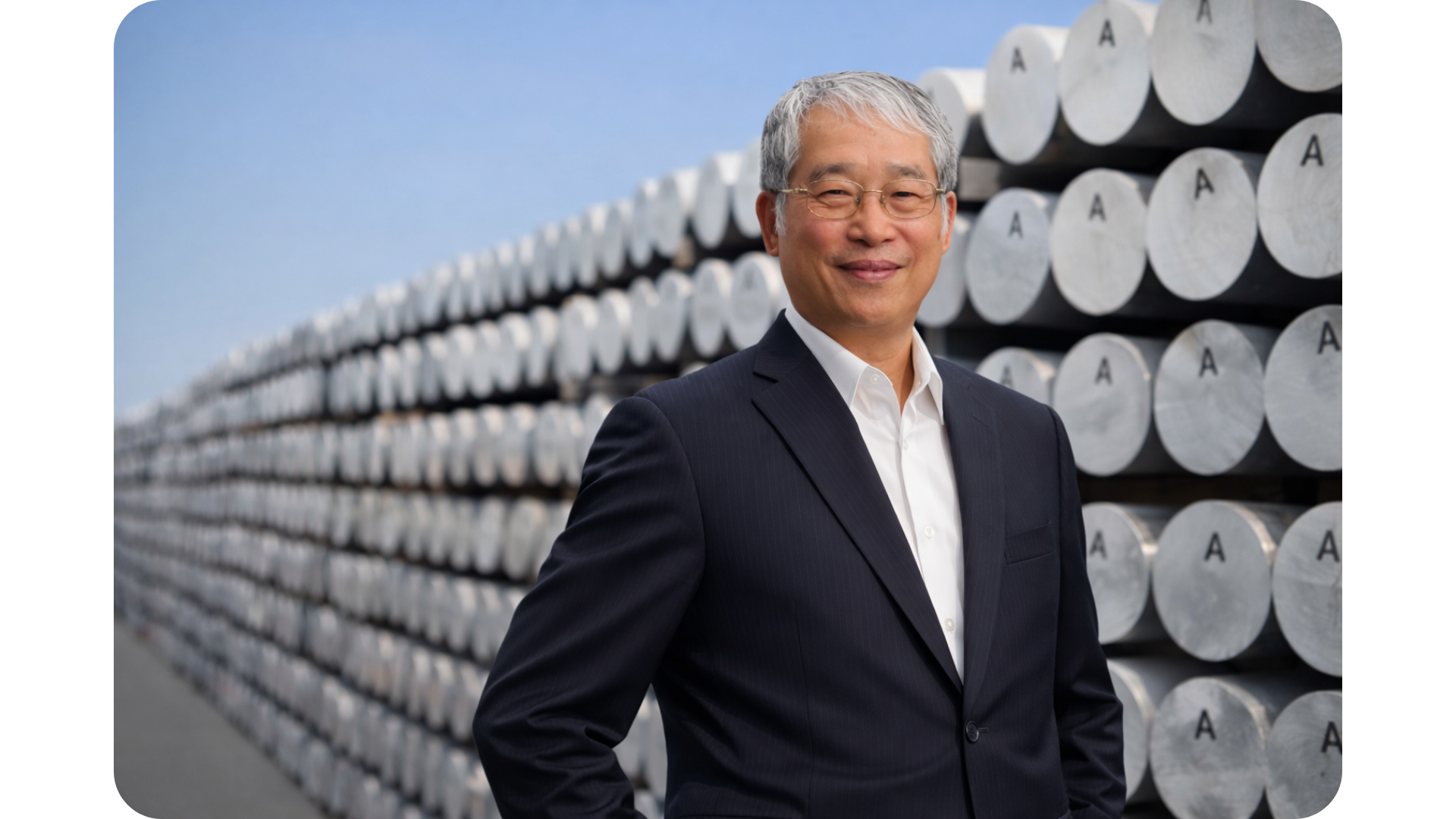
Looking ahead to the next decade of global trade and economic dynamics, we stand at a historic juncture where industry rules are being reshaped. The concurrent occurrence of multiple crises is no longer a short-term fluctuation, but a “new normal” that enterprises must confront in their operations. The reconfiguration of geopolitical blocs, the deepening of regionalized trade barriers, and the severe challenges brought by climate change are rewriting the rules of survival for the global high-end manufacturing sector. Standing at the beginning of a new era, we recognize that sustainability has long transcended the scope of corporate social responsibility. It is our core strategy to ensure operational resilience in fierce competition, to widen the gap with competitors, and to continue earning the trust of global customers.
From Passive Defense to Proactive Positioning: Reshaping a Green Supply Chainwith Ultimate Resilience
In the past, we have witnessed the rise of the “tariff tsunami” and trade protectionism. Looking ahead, we see the global supply chain accelerating in its shift from globalization toward localization and regionalized supply. Future trade barriers will not be limited to price and place of origin, but would also be deeply tied to carbon footprint and human rights standards. In the face of this irreversible trend, we have already abandoned a passive defensive mindset. SAI is actively restructuring our highly resilient operating system by enhancing the flexible allocation of production capacity at existing bases and deepening localized supply capabilities, in order to respond to international political and economic shifts. At the same time, we are progressively optimizing supplier management mechanisms and enhancing production resilience through digital management, ensuring
a transparent and agile supply framework that serves as the foundation for being the preferred partner of top brands and global industry clients.
In 2025, SAI received external recognition and honors:
Domestic
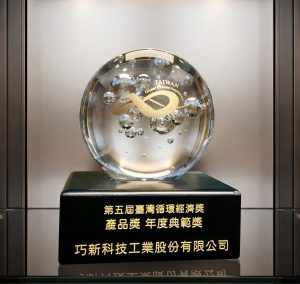
- Taiwan Circular Economy Awards: Product Award – Annual Model Award
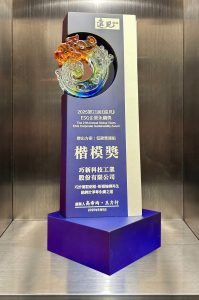
- Global Views Monthly ESG Corporate Sustainability Awards: Low-Carbon Operations Category – Model Award
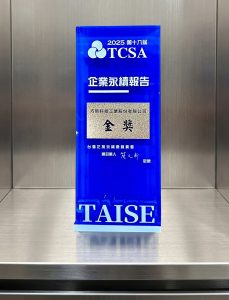
- Taiwan Corporate Sustainability Awards (TCSA): Sustainability Reporting – Gold Award
 |  |  |
International
- S&P Global CSA (Corporate Sustainability Assessment): Ranked in the top 14% of the ATX Auto Components industry
- CDP (Carbon Disclosure Project): Improved from 2024’s D- rating, achieving a C in Climate Change and a B- in Water Security
Greater turbulence in the environment demands from us greater clarity of vision. Therefore, in the coming decade of increasingly fragmented markets and tightening regulations, transparency and integrity are to remain SAI’s most valuable assets. We will commit to continuously refining climate risk assessments and, by adhering to the highest standards of sustainability governance, strengthening SAI’s risk response and adaptation capabilities.
We give our sincerest thanks to our colleagues for their steadfast commitment along the path of transformation, as well as all shareholders and partners for their long-standing support. Sustainability is an endless marathon. Amid future uncertainties, SAI will leverage sharper insights, more agile strategies, and stronger resilience to transform challenges into opportunities for renewal, continuously reaching new peaks of sustainable growth.